
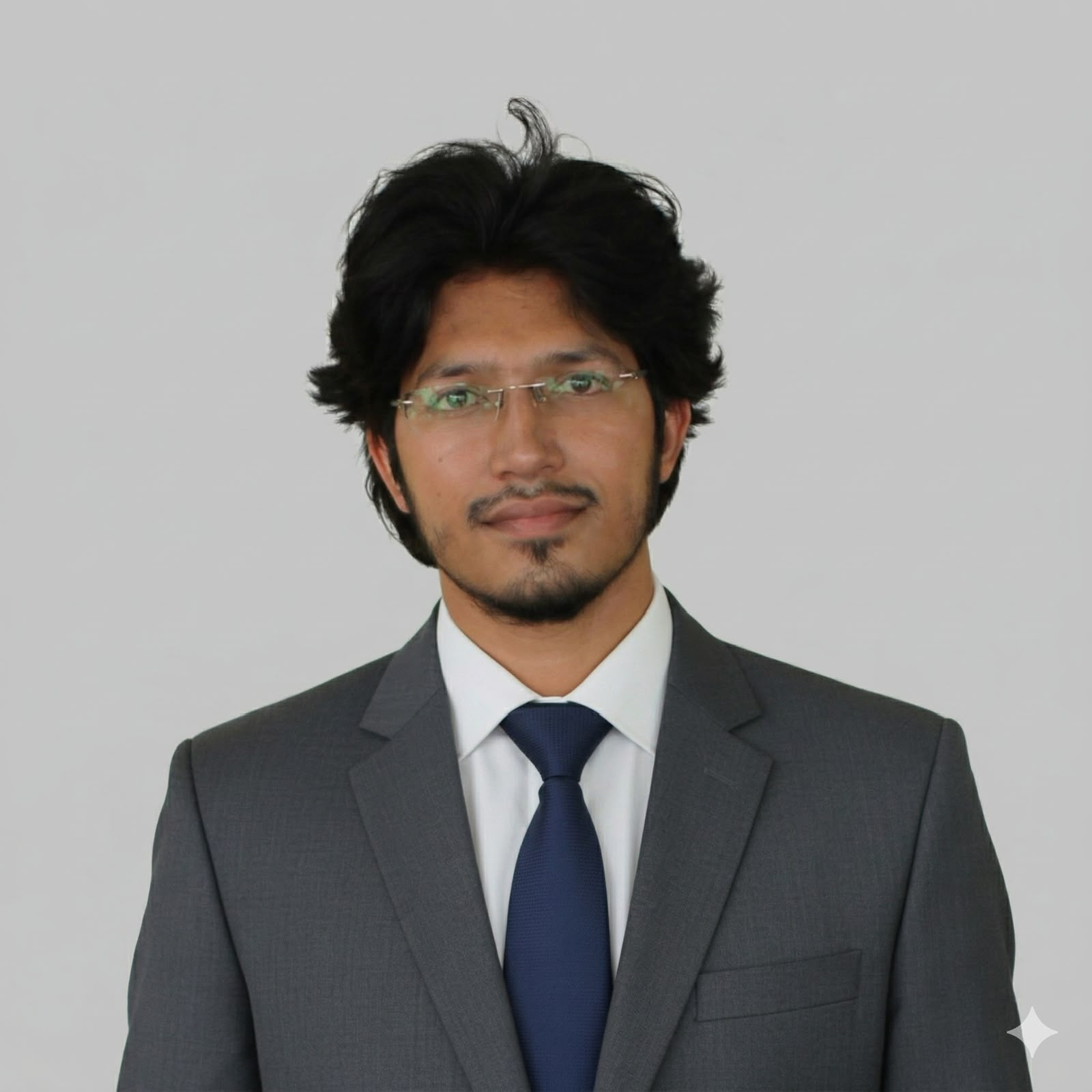
Mr. Haroon Ansari
Applied Research Engineer — Trust AI
DeployAI 2026 Winter School
Winter School on Deployable AI
Registration deadline: 5 October 2026
Explore the programme
Explore the programme, curriculum, registration, venue, schedule, and other event information.
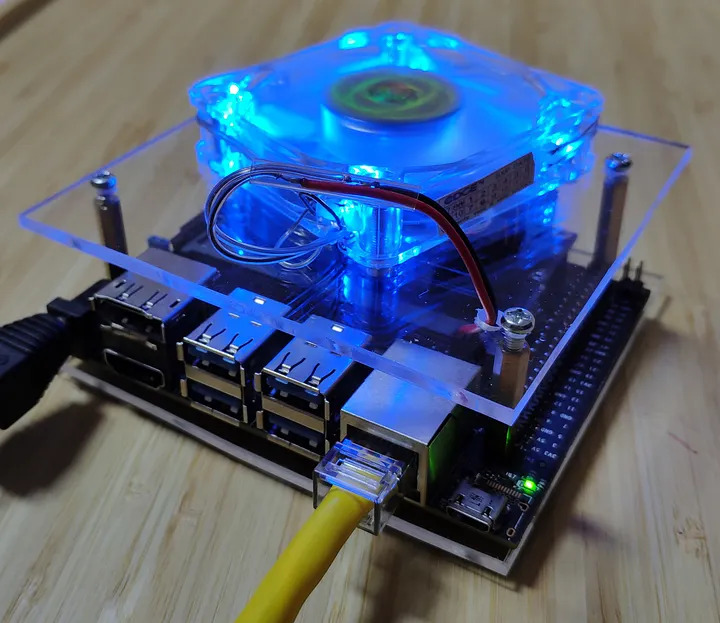
Bridging AI learning and real-world deployment
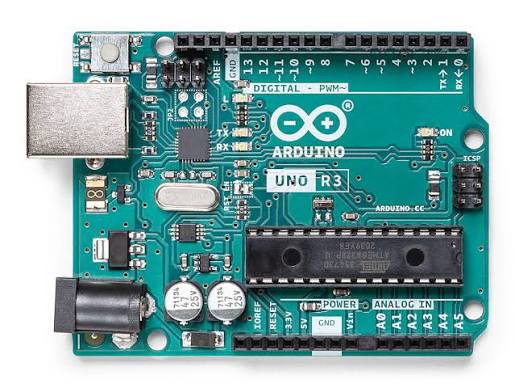
From AI foundations to production deployment
Learn from experts working across AI research and deployment
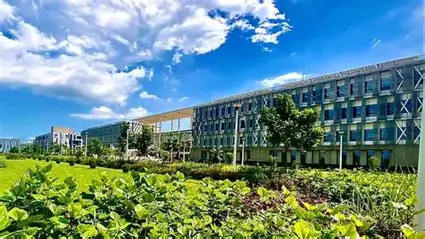
The academic and administrative team coordinating DeployAI 2026
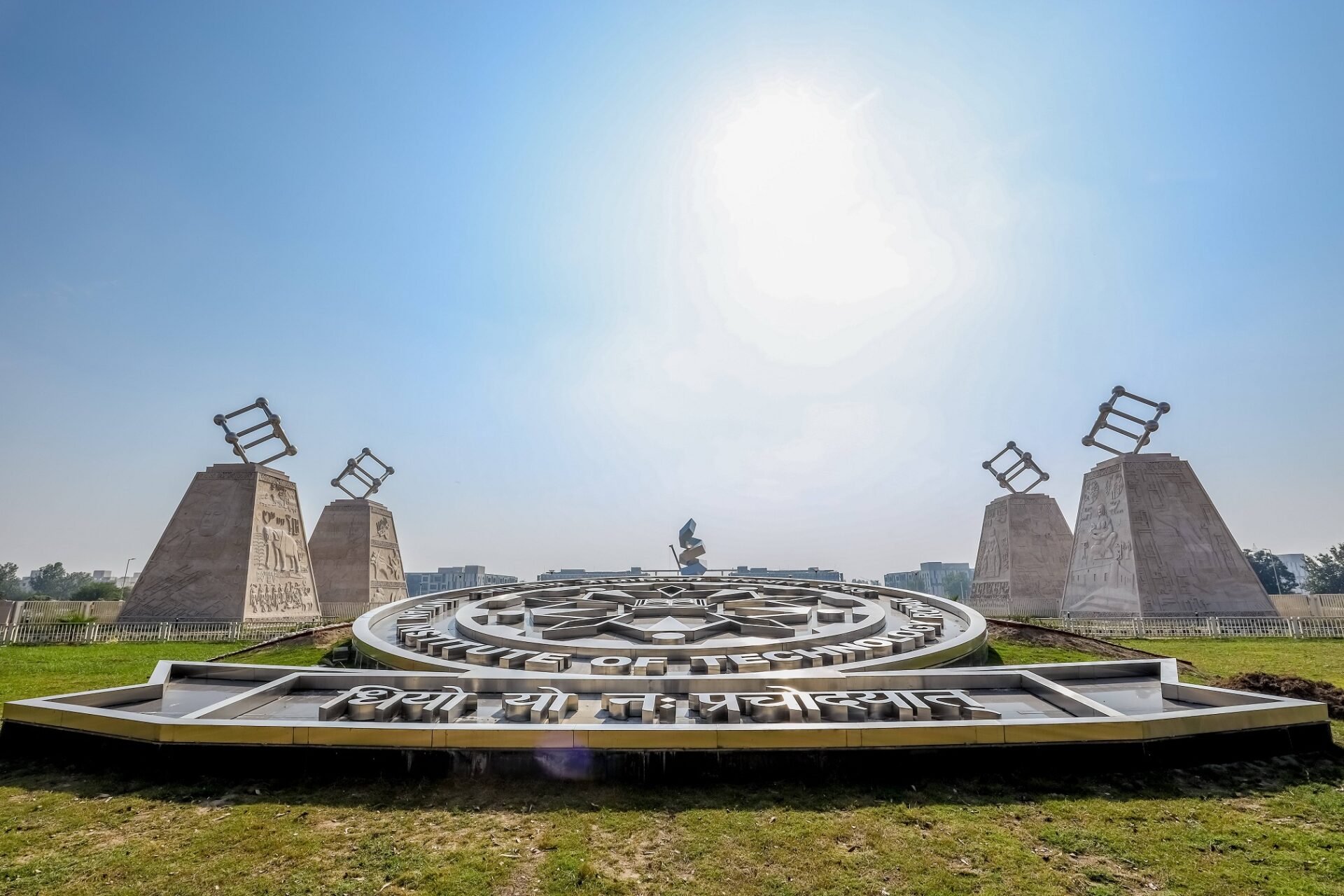
Apply to participate in DeployAI 2026
About Registration DeployAI 2026 is a 14-day Winter School on Deployable Artificial Intelligence organised by the School of Artificial Intelligence and Data Engineering, Indian Institute of Technology Ropar. The programme will be conducted from 7 December to 22 December 2026 and is open to students, research scholars, faculty members, educators, industry professionals, startup representatives, and professionals from research and development organisations. Participants may attend DeployAI 2026 in either Online or Offline mode. Registration Availability 1. Offline participation has limited capacity and seats will be confirmed strictly on a first-come, first-served basis. 2. Online registration is open to eligible applicants from all participant categories and currently has no fixed seat limit. 3. Applicants may choose Online participation even if the Offline seats for their category are full. 4. The Live Registration Status displayed above shows the current confirmed registration count for each Offline category and the total number of Online registrations. Who Can Register DeployAI 2026 is intended for: - Undergraduate and postgraduate students - Research scholars and doctoral researchers - Faculty members - Industry professionals - Startup professionals - Engineers and developers - Employees of research and development organisations - Participants interested in artificial intelligence, machine learning, deep learning, computer vision, large language models, MLOps, AI deployment, and related areas Registration Fee Student / Research Scholar Early-Bird Online: ₹2000 Early-Bird Offline: ₹12,000 Late Online: ₹2,500 Late Offline: ₹14,000 Faculty Member Early-Bird Online: ₹3,000 Early-Bird Offline: ₹15,000 Late Online: ₹4,000 Late Offline: ₹17,000 Industry Participant Early-Bird Online: ₹6,000 Early-Bird Offline: ₹20,000 Late Online: ₹8,000 Late Offline: ₹22,000 How to Register Please complete the registration process in the following order: 1. Select your participant category: Student / Research Scholar, Faculty Member, or Industry Participant. 2. Select your preferred participation mode: Online or Offline. 3. Check the applicable registration fee. 4. Pay the required participation fee using the official payment details provided by the organisers. 5. Keep the payment transaction details or payment receipt safely. 6. Open the Official Registration Form using the button provided on this page. 7. Complete all required information in the form. 8. Enter the correct payment details wherever requested. 9. Review the submitted information carefully. 10. Submit the registration form before the registration deadline. Important 1. Payment of the applicable participation fee must be completed before submitting the registration form. 2. Participants should make payments only through the official payment channel communicated by the DeployAI 2026 organising committee. 3. Do not make payments through unofficial links, personal accounts, or unverified third parties. Registration Deadline : Last Date of Registration: 05 October 2026
Explore page→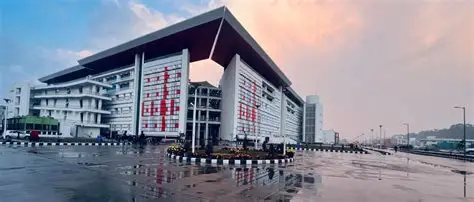
Plan your journey to IIT Ropar for DeployAI 2026
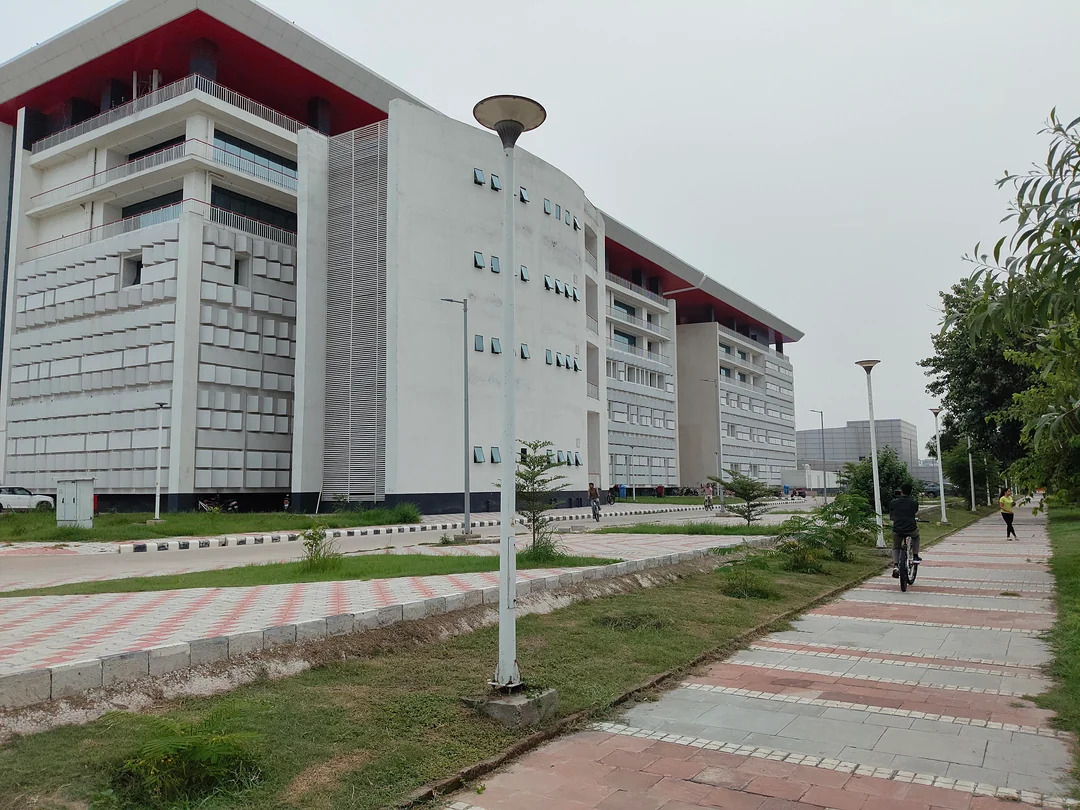
Event Venue DeployAI 2026 will be conducted at the Main Campus of the Indian Institute of Technology Ropar. Indian Institute of Technology Ropar Main Campus Rupnagar, Punjab – 140001 India The exact academic block, lecture hall, laboratory, registration desk, reporting point, and session rooms will be communicated to confirmed participants before the programme begins. About IIT Ropar The Indian Institute of Technology Ropar is an Institute of National Importance located in Rupnagar district, Punjab. The campus provides academic buildings, modern lecture halls, computing laboratories, seminar rooms, project spaces, hostels, dining facilities, sports facilities, a library, medical support, and other institutional infrastructure required for an intensive residential academic programme. DeployAI 2026 may use different campus facilities for expert lectures, hands-on laboratories, group discussions, mentoring sessions, project development, hackathon activities, and final demonstrations. Participants should follow the room allocations and daily instructions communicated by the organising committee. How to Reach IIT Ropar IIT Ropar is connected to Rupnagar, Chandigarh, Mohali, Ambala, Delhi, and other nearby cities through road, rail, bus, and air transport. Distances and travel times are approximate and may vary depending on the selected route, weather, road conditions, traffic, and mode of transport. By Air The nearest major airport is Shaheed Bhagat Singh International Airport, Chandigarh. Approximate distance from Chandigarh Airport to IIT Ropar: 55–60 kilometres Approximate travel time: 1.5–2 hours by taxi or private vehicle, depending on traffic Participants may hire a prepaid taxi, app-based cab, or private vehicle directly from the airport to IIT Ropar Main Campus. A public-transport alternative is to travel from the airport to ISBT Sector 43, Chandigarh, and then take a bus towards Rupnagar. After reaching Rupnagar Bus Stand, participants may use an auto-rickshaw, e-rickshaw, local taxi, or other available transport to reach the IIT Ropar Main Campus. Indira Gandhi International Airport, New Delhi, is approximately 308 kilometres from IIT Ropar. Participants arriving in Delhi may continue to Rupnagar by train, intercity bus, taxi, or private vehicle. By Train Rupnagar Railway Station is the closest railway station to IIT Ropar. Approximate distance from Rupnagar Railway Station: 8 kilometres Auto-rickshaws, local taxis, and other local transport options are generally available near the railway station. Participants should clearly mention “IIT Ropar Main Campus” when arranging transport. Other railway stations that may be used are: Chandigarh Junction Railway Station: Approximately 57 kilometres from IIT Ropar Ambala Cantt Railway Station: Approximately 93 kilometres from IIT Ropar Participants arriving at Chandigarh or Ambala may continue to Rupnagar by taxi, bus, connecting train, or private vehicle. Travel arrangements should be planned according to the latest railway timetable. By Bus Rupnagar is served by buses from Chandigarh, Mohali, Delhi, Punjab, Haryana, Himachal Pradesh, and nearby cities. Approximate distances from important bus terminals are: Ropar New Bus Stand: Approximately 6 kilometres Kurali Bus Stand: Approximately 22 kilometres Mohali Bus Stand: Approximately 41 kilometres ISBT Sector 43, Chandigarh: Approximately 47 kilometres Chandigarh Bus Terminus, Sector 17: Approximately 51 kilometres After reaching Rupnagar Bus Stand, participants may hire an auto-rickshaw, e-rickshaw, local taxi, or other locally available transport to IIT Ropar Main Campus. Participants travelling from Chandigarh may board buses travelling towards Rupnagar, Nangal, Una, Anandpur Sahib, Mandi, Manali, Hoshiarpur, or other routes passing through Rupnagar. They should confirm the stopping point with the bus operator before departure. By Road Participants travelling by private vehicle or taxi should search for: Indian Institute of Technology Ropar Main Campus, Rupnagar, Punjab The live map provided on this page will display the campus location and can be used to open turn-by-turn directions. Participants should avoid searching only for “IIT Ropar” without confirming that the destination is the Main Campus, because older online records may refer to previous or transit-campus locations. Reporting at the Campus Confirmed participants should report at the date, time, gate, and registration desk mentioned in their confirmation email. Participants may be required to present: 1. Registration confirmation 2. Valid government-issued identification 3. Institutional or employee identification 4. Payment confirmation 5. Accommodation confirmation, when applicable 6. Any additional document requested by the organising committee Participants should arrive sufficiently early to complete entry formalities, registration, room allocation, and technical setup before the first scheduled session. Accommodation Limited accommodation may be arranged on or near the IIT Ropar campus, subject to availability, payment, institutional approval, and confirmation from the organising committee. Requesting accommodation during registration does not automatically confirm a room. Selected participants will receive separate information regarding: 1. Accommodation confirmation 2. Hostel or guest-house location 3. Room allocation 4. Accommodation charges 5. Check-in and check-out timings 6. Identification requirements 7. Dining arrangements 8. Campus and hostel rules Participants should not travel with the assumption that accommodation has been reserved unless they have received written confirmation. Food and Dining Information about meals, refreshments, dining locations, and services included in the registration fee will be communicated separately. Participants with dietary restrictions, allergies, medical conditions, or accessibility requirements should inform the organising committee in advance. Campus Access and Conduct Participants must follow IIT Ropar’s security procedures, access restrictions, laboratory rules, hostel regulations, internet-use policies, academic-integrity requirements, and instructions issued by the event organisers. Participants should carry their identification and event credentials while moving through the campus. Unauthorised entry into restricted areas, misuse of institutional equipment, damage to property, unsafe laboratory practices, or disruptive conduct may result in removal from the programme. Technical Preparation Participants should bring their personal laptop, charger, and any required accessories. Software-installation and system-configuration instructions may be communicated before the programme. Participants should complete the required setup before reporting to reduce delays during laboratory sessions. Travel Planning Recommendations Participants should book travel only after receiving official selection and participation confirmation. They should keep sufficient time between arrival and the reporting deadline, especially when travelling through Chandigarh, Ambala, or Delhi. Return travel should be planned after considering the final session, project demonstration, certificate distribution, accommodation checkout, and travel time from the campus. Participants should regularly check the event website and registered email account for updates regarding venue allocation, reporting time, travel support, accommodation, and programme scheduling. Live Map and Directions An interactive map will be displayed on this page. Participants will be able to view the IIT Ropar Main Campus, open the location in Google Maps, and obtain directions from their current location. The map should be treated as navigational guidance. Final reporting instructions shared by the organising committee will remain authoritative.
Explore page→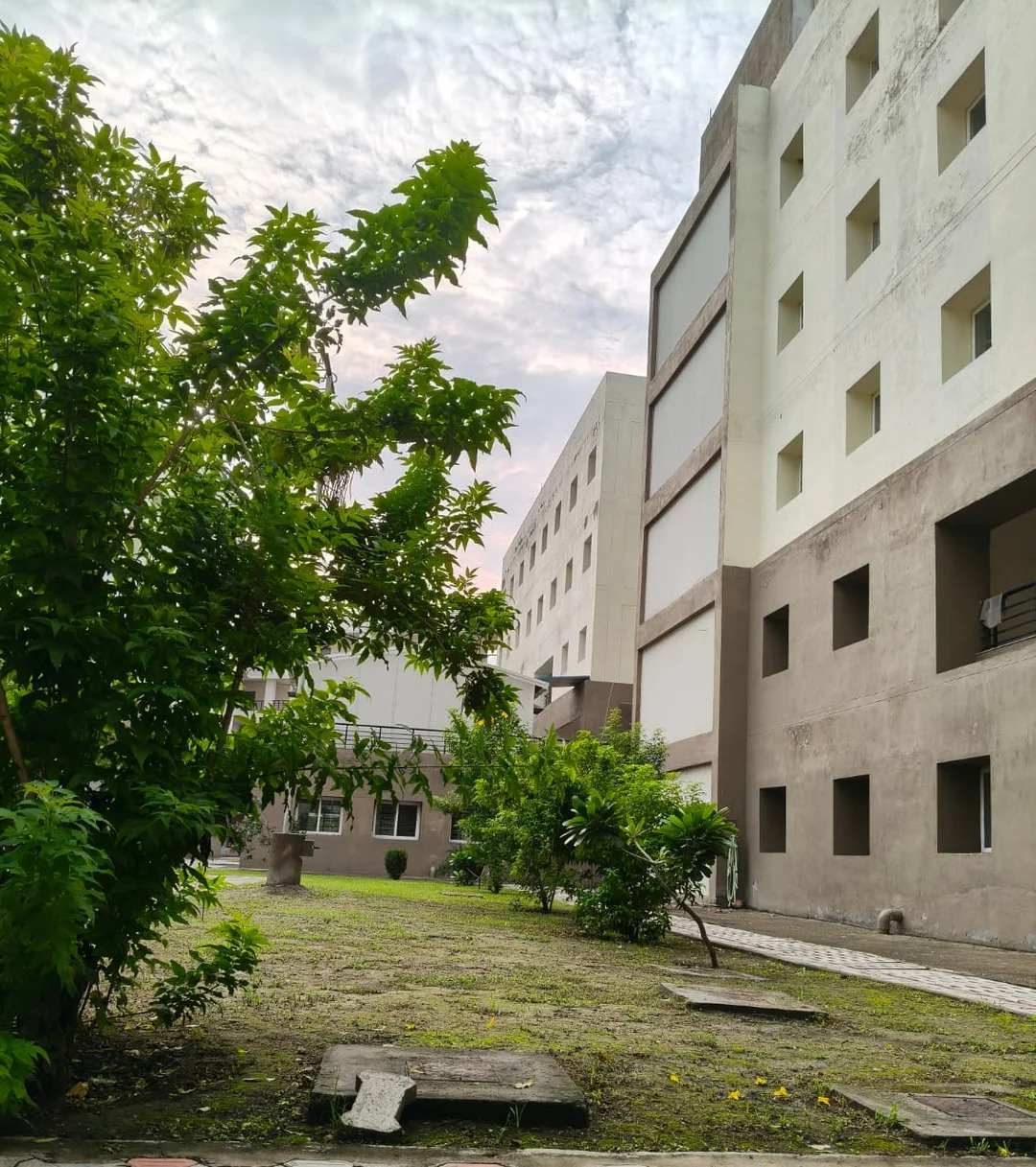
Get assistance regarding registration, travel, accommodation, and programme details
Registration and Payment Support For assistance related to registration, payment, or programme information, contact: Dr. Rakesh K. Sanodiya Assistant Professor School of Artificial Intelligence and Data Engineering Indian Institute of Technology Ropar Email: rakesh.s@iitrpr.ac.in Mobile: +91-8770120278 Dr. Abhinav Kumar Assistant Professor School of Artificial Intelligence and Data Engineering Indian Institute of Technology Ropar Email: abhinavk@iitrpr.ac.in Mobile: +91-7651845264
Explore page→
Daily lectures, laboratories, mentoring, and project activities
DeployAI 2026 is planned as an intensive 14-day winter school combining expert lectures, guided tutorials, hands-on laboratories, technical discussions, mentor interaction, case studies, project development, and final demonstrations. The programme schedule will provide participants with a structured progression from foundational artificial intelligence concepts to the deployment and operation of complete AI systems. Programme Structure The programme is expected to include the following types of activities: 1. Expert lectures introducing concepts, methods, tools, and current developments 2. Guided tutorials explaining implementation workflows and best practices 3. Hands-on laboratory sessions involving coding, experimentation, and deployment 4. Academic and industry mentor interactions 5. Case studies based on real-world AI applications 6. Group discussions and problem-solving sessions 7. Project planning and implementation 8. Hackathon or capstone activities 9. Technical demonstrations and presentations 10. Feedback and evaluation sessions Indicative Daily Format A typical programme day may include: Morning Session Registration or attendance Expert lecture Conceptual discussion Question-and-answer session Midday Session Technical tutorial Demonstration of tools, models, or deployment workflows Discussion of practical examples Afternoon Session Hands-on laboratory Coding and implementation exercise Group work or mentor-supported problem solving Evening or Extended Session Project development Hackathon activity Mentor interaction Revision, debugging, or preparation for demonstration The actual timing may vary depending on the topic, invited speaker availability, laboratory requirements, project activities, and institutional arrangements. Indicative 14-Day Progression Day 1 AI landscape, AI engineering, deployable AI ecosystem, participant orientation, technical setup, and introduction to the programme. Day 2 Python for AI, data preparation, data processing, visualisation, and reproducible development environments. Day 3 Machine learning foundations, supervised learning, training workflows, and evaluation metrics. Day 4 Feature engineering, model selection, validation, error analysis, and machine learning pipelines. Day 5 Deep learning foundations, neural networks, optimisation, and model training using modern frameworks. Day 6 Computer vision, image representation, classification, visual recognition, and deployment-oriented workflows. Day 7 Natural language processing, text representation, classification, sequence modelling, and practical language applications. Day 8 Foundation models, generative AI, pretrained models, adaptation methods, and responsible use. Day 9 Large language models, prompt engineering, application design, evaluation, and safety considerations. Day 10 Retrieval-Augmented Generation, embeddings, vector databases, document processing, and knowledge-grounded applications. Day 11 MLOps, experiment tracking, dataset and model versioning, reproducibility, testing, and automation. Day 12 Model serving, API development, inference pipelines, latency, scalability, and production integration. Day 13 Docker, cloud deployment, monitoring, security, responsible AI, and maintenance of deployed systems. Day 14 Capstone project, hackathon completion, end-to-end deployment, technical demonstration, evaluation, feedback, and closing session. Final Schedule Publication The final schedule will include: 1. Session date 2. Start and end time 3. Session title 4. Session type 5. Speaker or mentor 6. Venue or laboratory 7. Session description 8. Participant requirements 9. Required software or preparation 10. Schedule updates The detailed session-wise schedule will be added through the Schedule management section of the microsite admin panel. Schedule Changes The organising committee may revise session timings, speakers, venues, laboratories, or activity order when necessary. All important updates will be communicated through the event website, registered email address, or official event communication channels. Participants should check the latest schedule before each programme day and follow the instructions issued by the organising team. Attendance Participants are expected to attend all required lectures, laboratories, project sessions, mentor interactions, and demonstrations. Minimum attendance, assignment completion, project participation, or evaluation requirements may apply for certificate eligibility. Technical Preparation Participants are required to bring their own laptop, charger, and any necessary accessories to all practical sessions. Software installation, datasets, account creation, development environments, and other technical preparation instructions may be shared before the programme. Participants should complete the required setup within the communicated deadline to avoid delays during laboratory sessions.
Explore page→Event Experts
Applied Research Engineer — Trust AI

Applied Scientist
Microsoft AI
View profile
Senior AI/ML Engineer
UnitedHealth Group (Optum)
View profile
Lead GenAI Engineer
EPAM Systems India Pvt Ltd
View profile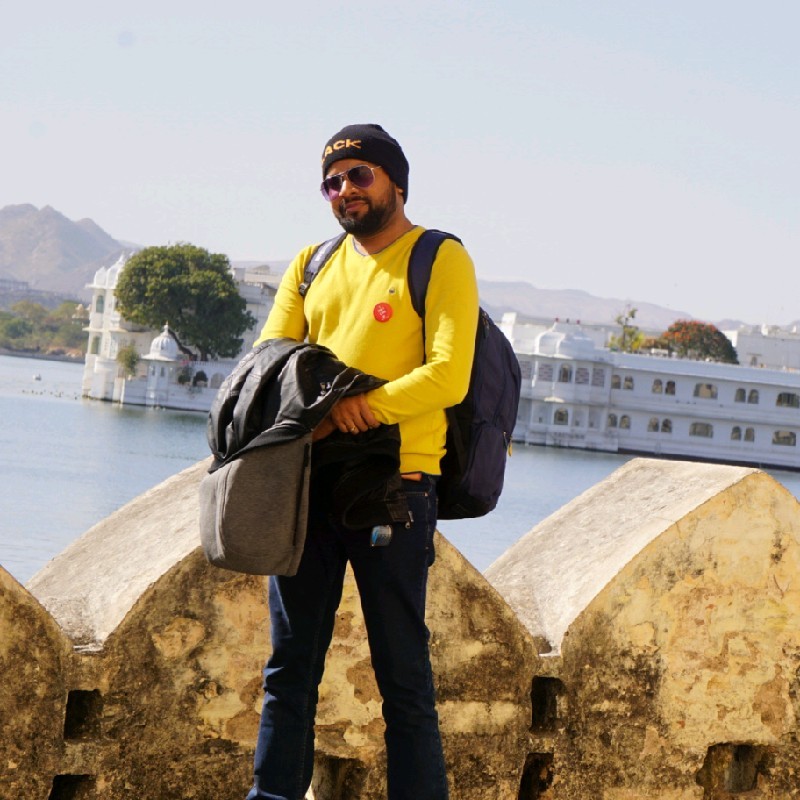
Technical General Manager
Samsung India Electronics Limited, Noida
View profile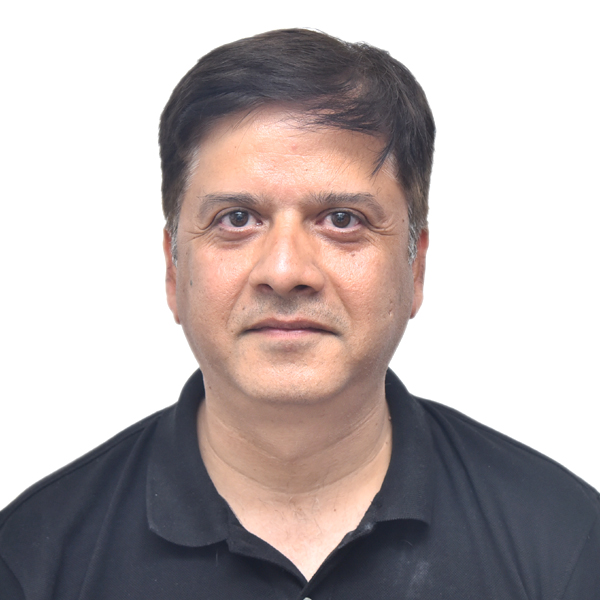
Professor, Department of Computer Science and Engineering
Indian Institute of Technology Delhi
View profile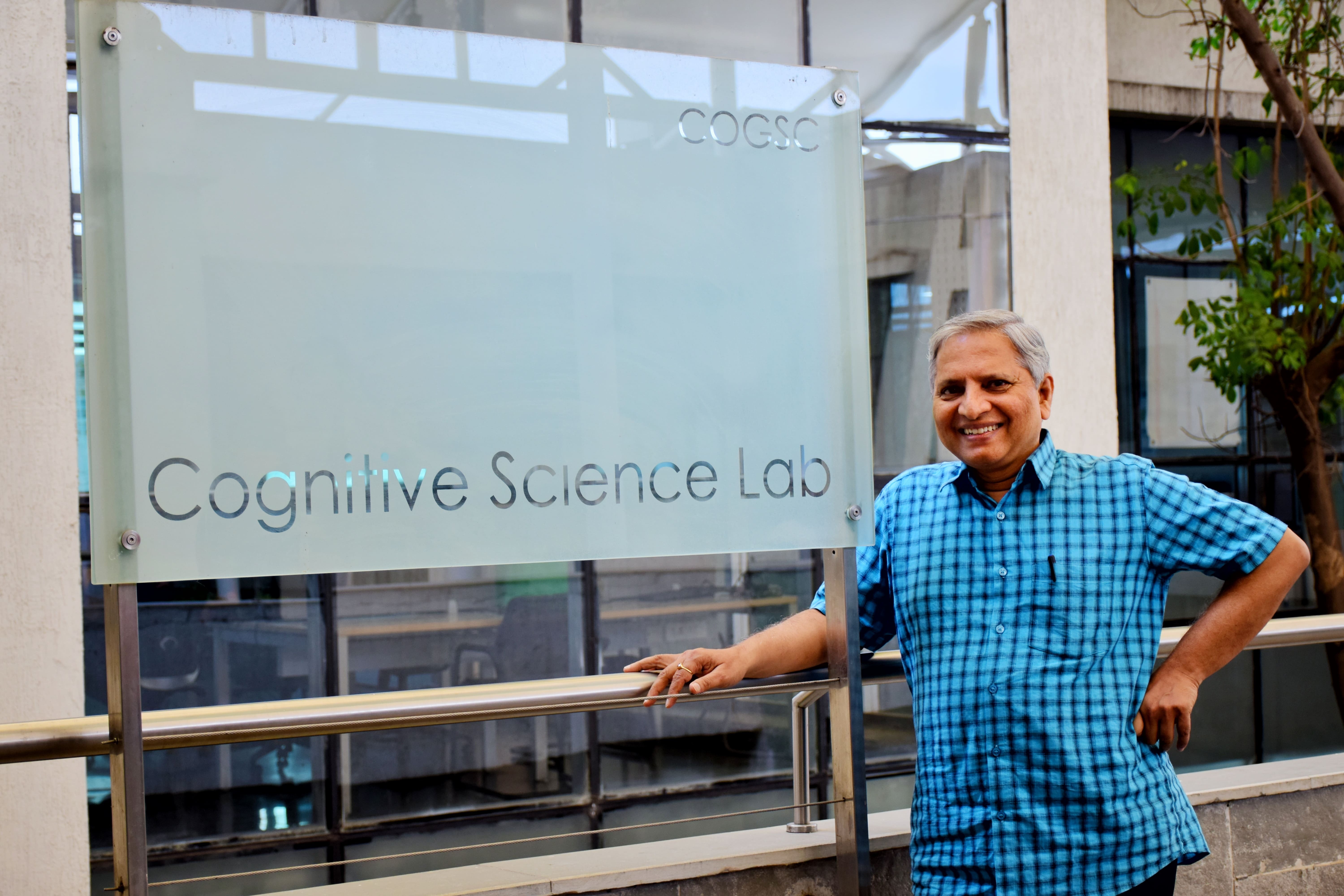
Professor and Head, Cognitive Science Lab
International Institute of Information Technology Hyderabad
View profile
Associate Professor, Department of Computer Science
Brunel University of London
View profile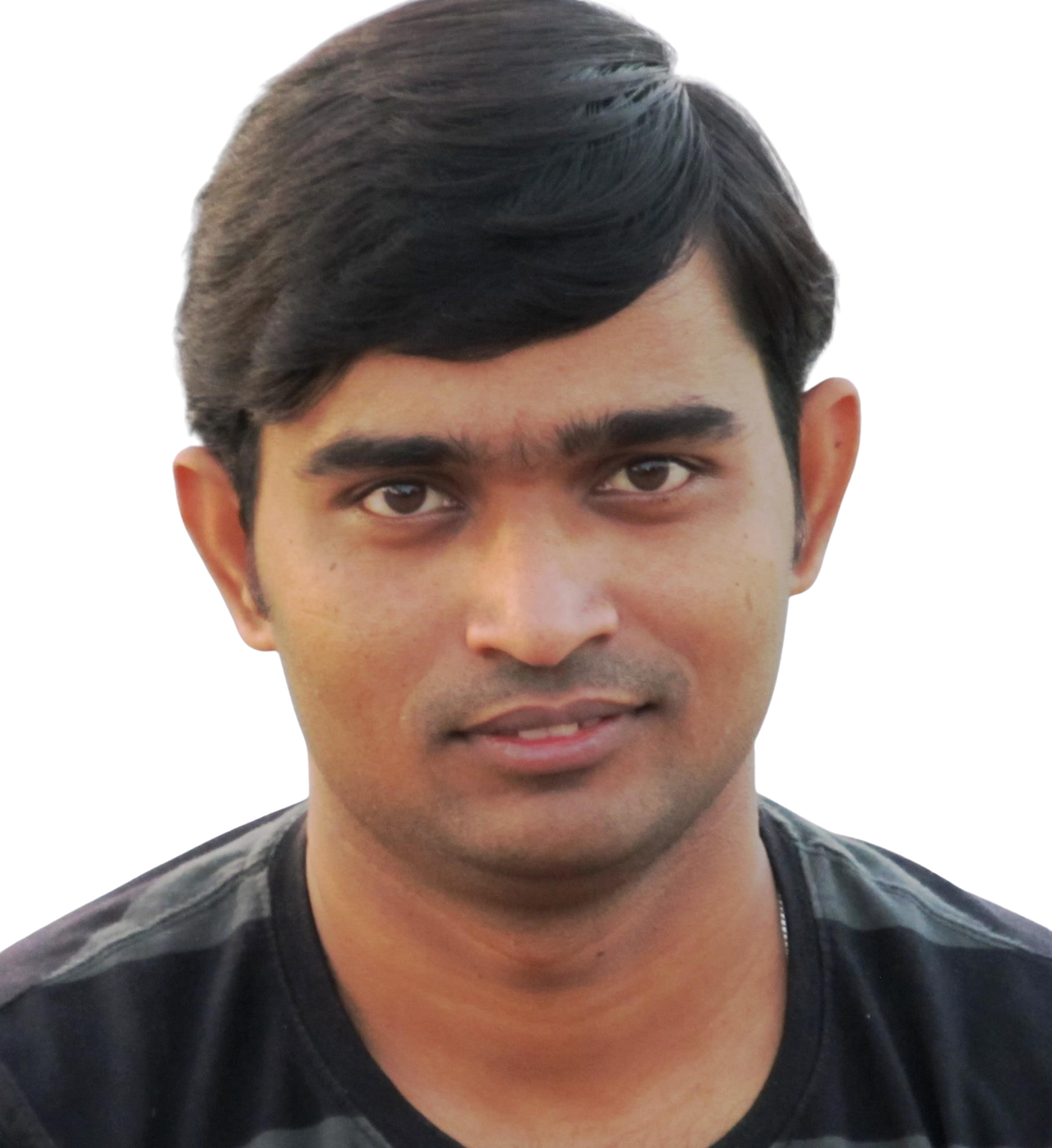
Associate Professor, Computer Science
Trinity College Dublin, Ireland
View profile
Professor, Department of Electrical Engineering
Indian Institute of Technology Delhi
View profile
Associate Professor
School of Artificial Intelligence and Data Engineering, IIT Ropar
View profile